 Skip to main content
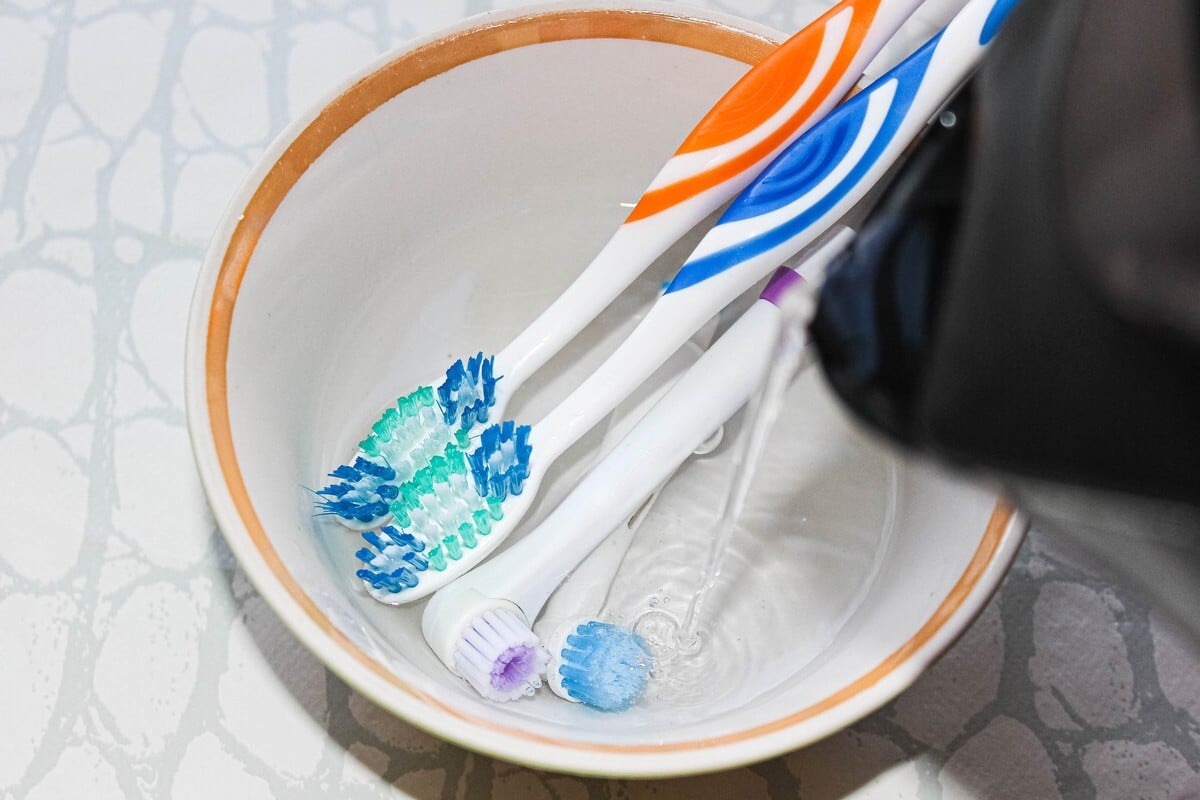
Most of us think about brushing technique, toothpaste ingredients, or how often to replace our brush — but rarely do we stop to think about what’s actually living on the bristles themselves. Your toothbrush sits in a warm, damp bathroom environment day after day, which happens to be one of the most hospitable places for bacteria to thrive. Disinfecting it regularly is a simple habit that can make a real difference to your oral health.
Why Your Toothbrush Needs More Than a Rinse
Every time you brush, your toothbrush picks up bacteria from your mouth, plus whatever’s floating around your bathroom — including particles from the toilet if it’s stored nearby. Add moisture and warmth, and you have ideal conditions for microbial growth. A quick rinse under the tap after brushing removes visible toothpaste residue, but it doesn’t eliminate the bacteria embedded in the bristles.
Left unchecked, this buildup can contribute to:
- Bad breath that lingers despite regular brushing
- Gum irritation or infections
- Re-introducing germs into your mouth, especially if you’ve been sick
How Often Should You Disinfect It?
A general rule of thumb:
- Daily rinse: after every use, rinse thoroughly with water
- Weekly disinfection: give your toothbrush a deeper clean once a week
- After illness: disinfect immediately after a cold, flu, or any mouth infection
- Replacement: swap your toothbrush (or brush head) every 3 months, or sooner if bristles fray
Simple Ways to Disinfect Your Toothbrush
1. Antibacterial Mouthwash Soak
Soak the bristles in antibacterial mouthwash for a few minutes. This is one of the easiest and most effective methods, since mouthwash is designed to kill oral bacteria.
2. Hydrogen Peroxide Solution
A diluted hydrogen peroxide solution (equal parts peroxide and water) can disinfect your brush. Soak for a few minutes, then rinse thoroughly before use.
3. Baking Soda Soak
Dissolve a teaspoon of baking soda in a cup of warm water and let your toothbrush sit for a few minutes. This also helps neutralize odors.
4. UV Toothbrush Sanitizers
These small devices use ultraviolet light to kill bacteria without chemicals. They’re a convenient option if you want a low-maintenance routine, though a good soak method works just as well.
5. Boiling Water (For Manual Brushes Only)
Dipping the bristles in boiling water for about 30 seconds can kill germs, but be cautious — this can soften or damage the bristles over time, so it’s not ideal as a frequent method.
Storage Matters Too
How you store your toothbrush is just as important as how you clean it:
- Store it upright in an open-air holder so it can dry between uses
- Avoid closed containers or covers, which trap moisture and encourage bacterial growth
- Keep it away from the toilet — closing the lid before flushing helps too
- Never let toothbrushes touch each other if you share a holder with family members
The Bottom Line
Disinfecting your toothbrush is a small, low-effort habit that protects the very tool you rely on for oral hygiene. A weekly soak in mouthwash, hydrogen peroxide, or baking soda solution, combined with proper air-drying storage, will keep your toothbrush — and your mouth — cleaner and healthier.