 Skip to main content
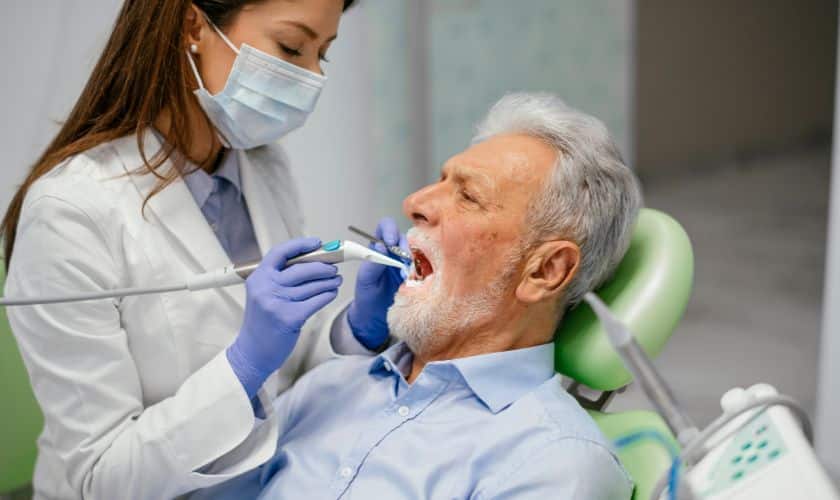
Toothaches, broken teeth, and lost fillings – these are just a few scenarios that might send you scrambling for an emergency dentist. While unexpected dental emergencies can be stressful, knowing what to expect can help you navigate the situation calmly and efficiently. Here are 5 things you can expect during a visit to an emergency dentist:
1. Initial Assessment and Triage:
Upon arrival, the emergency dentist will likely prioritize stabilizing your condition. Be prepared to answer questions about your symptoms, any existing dental problems, allergies, and medications you’re taking. They might also take X-rays to get a clearer picture of the issue. Depending on the severity of your emergency, you might be seen immediately or have to wait a short while if other patients have more critical situations.
2. Pain Management:
Managing your pain is likely a top priority for the emergency dentist. They might offer various pain relief options depending on your situation. This could include over-the-counter pain medication, local anesthesia for numbing the area around the affected tooth, or nitrous oxide (laughing gas) for relaxation during the procedure.
3. Treatment Tailored to the Emergency:
The emergency dentist will address your specific dental emergency. Here are some common scenarios and potential treatments:
Severe toothache:

Severe toothache
The dentist might identify the source of the pain, such as a cavity or abscess, and provide temporary relief through medication or drainage. Further treatment like a filling, root canal, or extraction might be needed later.
Broken or chipped tooth:
Depending on the severity of the break or chip, the dentist might repair the tooth with a filling or bonding, or recommend more extensive procedures like a crown if a significant portion is damaged.
Lost filling or crown:
The dentist will likely remove any remaining fragments of the lost filling or crown and might place a temporary restoration to protect the tooth until a permanent solution can be implemented.
4. Follow-up Care and Instructions:
Even though emergency dentists prioritize immediate treatment, they might not be able to address all aspects of your dental issue during this initial visit. You’ll likely receive instructions on how to care for the treated area and manage any residual pain. This could involve specific pain medication, dietary restrictions, and instructions on maintaining oral hygiene around the affected area. The dentist will also schedule a follow-up appointment with your regular dentist to address any further treatment needs.
5. Payment and Insurance Considerations:
Emergency dental visits often fall outside of regular dental insurance coverage. Be prepared to make an upfront payment for the services rendered. It’s best to contact your insurance provider beforehand to clarify any emergency coverage details.
Remember: While an emergency dentist can provide immediate relief for your dental problem, it’s crucial to follow up with your regular dentist for a comprehensive evaluation and any necessary long-term treatment plans.
Taking Care of Your Smile:
Maintaining good oral hygiene habits like regular brushing, flossing, and scheduling routine dental checkups can significantly reduce your risk of experiencing a dental emergency. However, if you do find yourself in need of emergency dental care, this guide should help you know what to expect during your visit.